
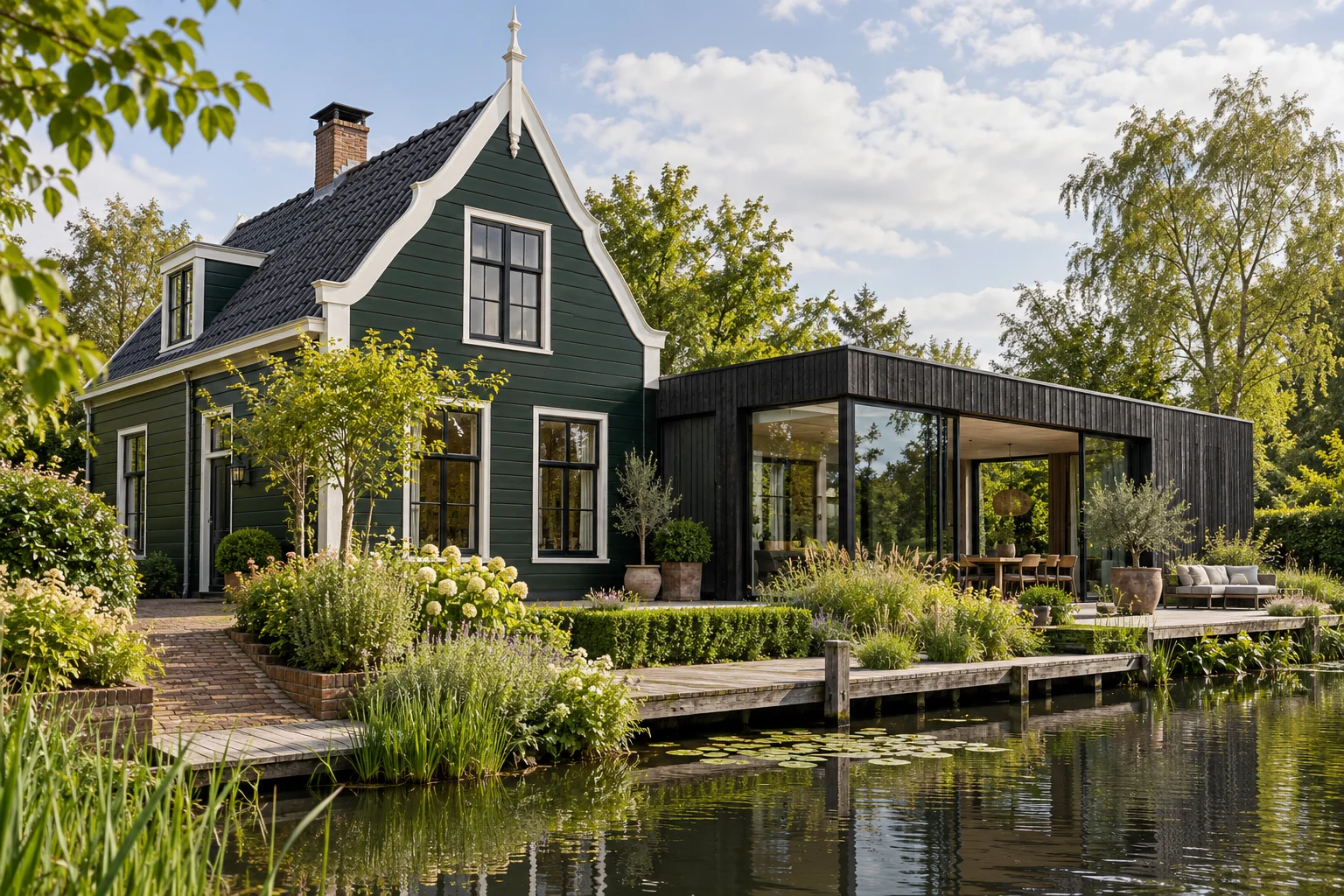
A situation to test your plan against
Timber and masonry can show damage where the materials meet. Record moisture traces or deformation first. A new finish does not help when the underlying cause remains unclear.
What this work involves
Record location, timing and conditions. Distinguish possible leakage, condensation and building-related causes.
- Investigation and measurements
- Source correction
- Drying and finish repairs
Link repairs to cause assessment and an identifiable inspection plan.
Decide this before construction
Assess the cause first, then establish the repair extent. Record concealed work before applying finishes and keep agreed inspection points clear.
Allow for later maintenance
Use the defect map for later checks. Compare photographs of the same locations so changes are not assessed from memory alone.
How to review the result
Check the repair and future access together. Ask which signs deserve attention at the next inspection and where the relevant documentation is stored.
Compare the complete intervention
Separate investigation, necessary repairs and improved access. Identify uncertainties in concealed areas, with an agreed decision point after opening them.
Cost factors for this service
Costs depend on investigation scope, cause, access and reinstatement. Ask for the scope and selected specification to be described separately.
Bring this to the discussion
Photographs of the existing situation, available drawings and your requirements for damp investigation & treatment. Identify the elements that should remain.
Questions about the work
What should I discuss before arranging damp investigation & treatment?
Address the moisture source first. New paint or cladding does not replace a supported diagnosis.
Is concealing damage enough for a lasting repair?
Investigate the cause first. Then agree repairs, inspection and maintenance access; without that coordination, a neat finish can conceal a recurring problem.
The design situations here illustrate choices; they are not completed projects or a diagnosis of your property.